
Louis Prang, Shaping Art Education in American Public Schools
Much of what we now take for granted in art classrooms- structured lessons, progressive skill development, and the belief that art belongs in public education can be traced back to one person: Louis Prang.
Who was Louis Prang?
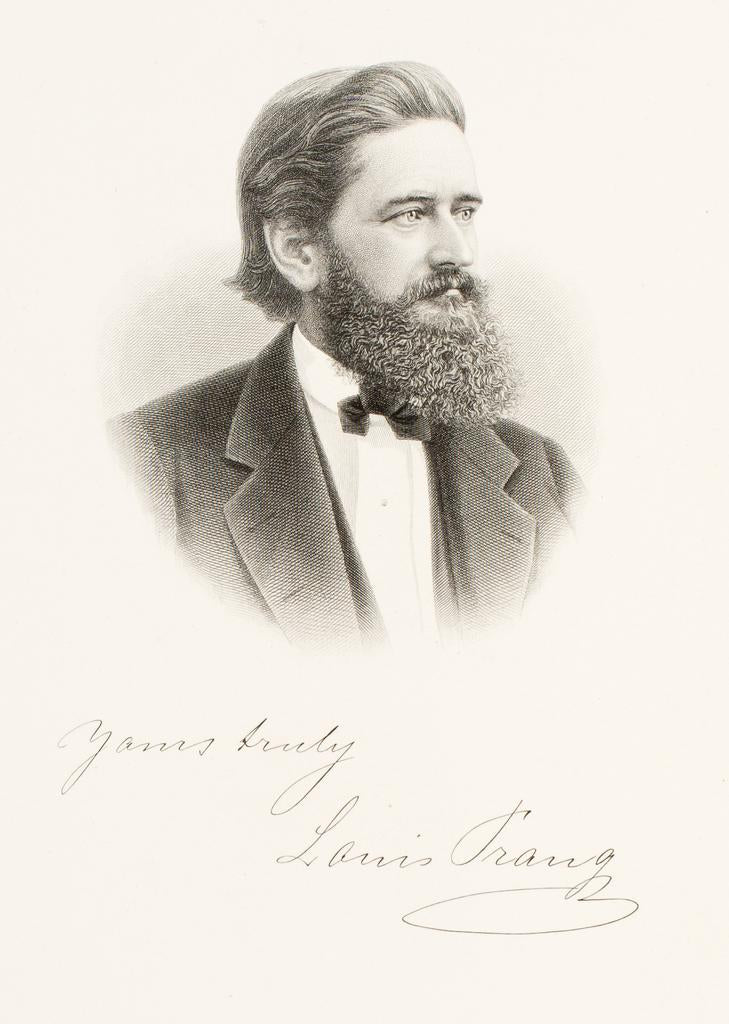
Often remembered today for his chromolithographs and Christmas cards, Prang’s most enduring legacy may be his work in art education. Through The Prang Company, he developed one of the first comprehensive, thoughtfully structured art curricula for public schools in the United States, a system that shaped generations of teachers and students.

Art as an Essential Part of Education
Prang believed that art education was not a luxury but a necessity. At a time when public schooling focused heavily on rote learning and industrial efficiency, he argued that drawing, color study, and design trained observation, judgment, and taste, skills valuable far beyond the art room.
His curriculum was designed not for professional artists alone, but for all students. By integrating art into the regular school day, Prang helped establish the idea that visual literacy was a core component of a well-rounded education and of notable importance in life in general.
A Complete and Carefully Structured System
What set Prang’s approach apart was its coherence. Rather than offering isolated exercises, The Prang Company published a complete, graded course of study that progressed logically from simple observation and line work to more advanced studies of form, color, and design.
Equally important was the teacher’s manual, which provided clear explanations, pedagogical reasoning, and practical guidance. Prang understood that strong art education depended on confident, well-prepared teachers, not just attractive materials. His manuals explained not only what to teach, but why each lesson mattered.
This combination of student materials and teacher support was groundbreaking, and it remains instructive today.
Designed for Teachers, Not Just Students
One of the most striking aspects of the Prang curriculum is how deeply it respects the role of the teacher. The manuals anticipate questions, clarify objectives, and encourage thoughtful instruction rather than mechanical repetition.
Prang emphasized developmental appropriateness, observation from real objects, and gradual skill-building. He resisted shortcuts, trends, and formulas, favoring steady growth and genuine understanding. In doing so, he laid the groundwork for many principles still valued in contemporary art education.
Why Revisit the Prang Curriculum Now?
Despite its historical importance, much of Prang’s original curriculum is difficult to access today. When it is available, it is often fragmented, poorly reproduced, or stripped of its instructional context.
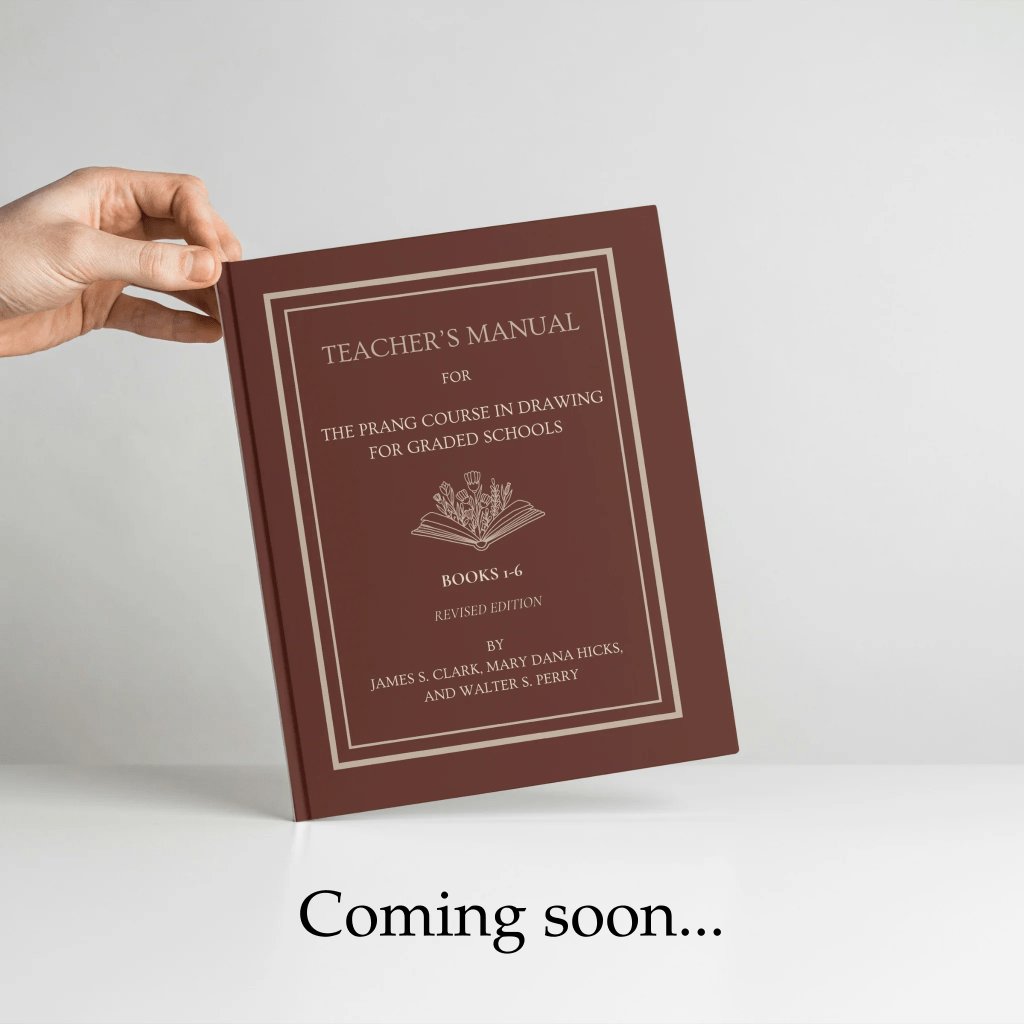
I will soon be republishing as much of the complete Prang public school art curriculum as I can, along with the original teacher’s manual, carefully restored for modern readers. The goal is not nostalgia, but usefulness: to make these materials readable, practical, and relevant for today’s teachers, homeschool educators, and students of art education history.
In an era when art instruction is often rushed or under-supported, Prang’s work offers a reminder of what thoughtful, systematic teaching can accomplish, which is why I love it!
A Legacy Worth Preserving
Louis Prang believed that learning to see clearly and to make things with care had lasting value. His curriculum reflects a deep respect for students, teachers, and the discipline of art itself.
By bringing this work back into circulation as a complete set, I hope to support educators who are seeking depth, structure, and historical continuity in their teaching, and to honor a legacy that helped define art education as we know it.
Stay tuned!