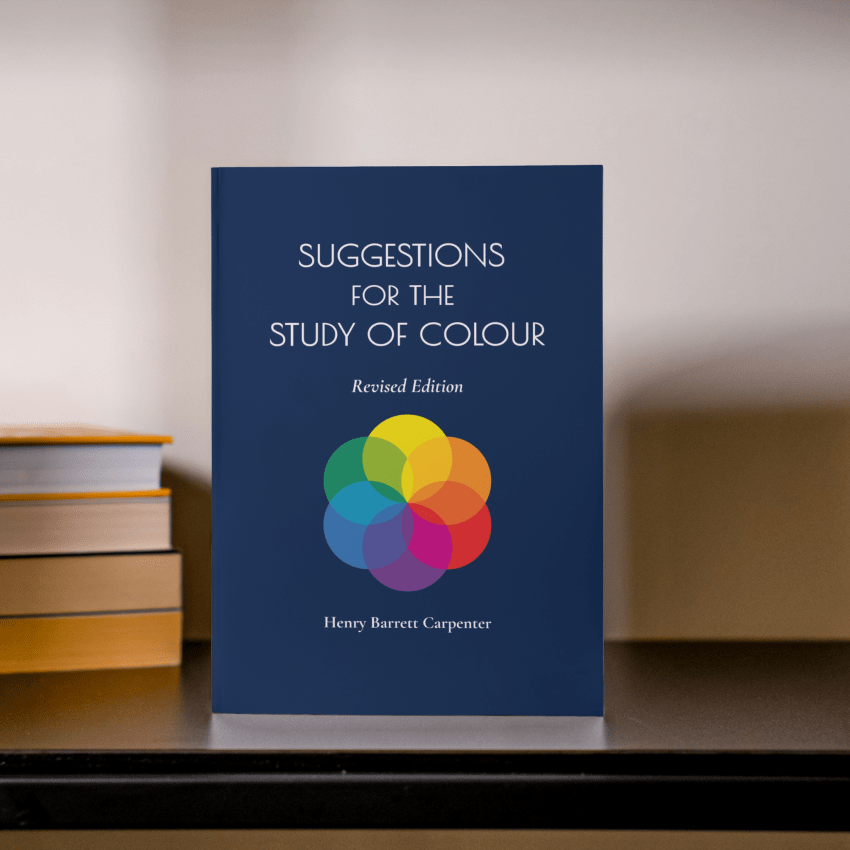
Originally published in 1915 and then again in 1923, Suggestions for the Study of Colour explores color as something that can be observed, studied, and understood through harmony, contrast, and relationships found in the natural world.
It’s a book meant to be studied slowly, not rushed. It includes exercises to help each student explore, experiment with, and thoroughly grasp each principle.
Effective color study doesn’t begin with dogmatic rules or memorization.
It begins by observing nature and how the colors in our environment interact with each other. This book encourages observation first, theory second. It provides clearer definitions and examples of some of the most important concepts in color theory.

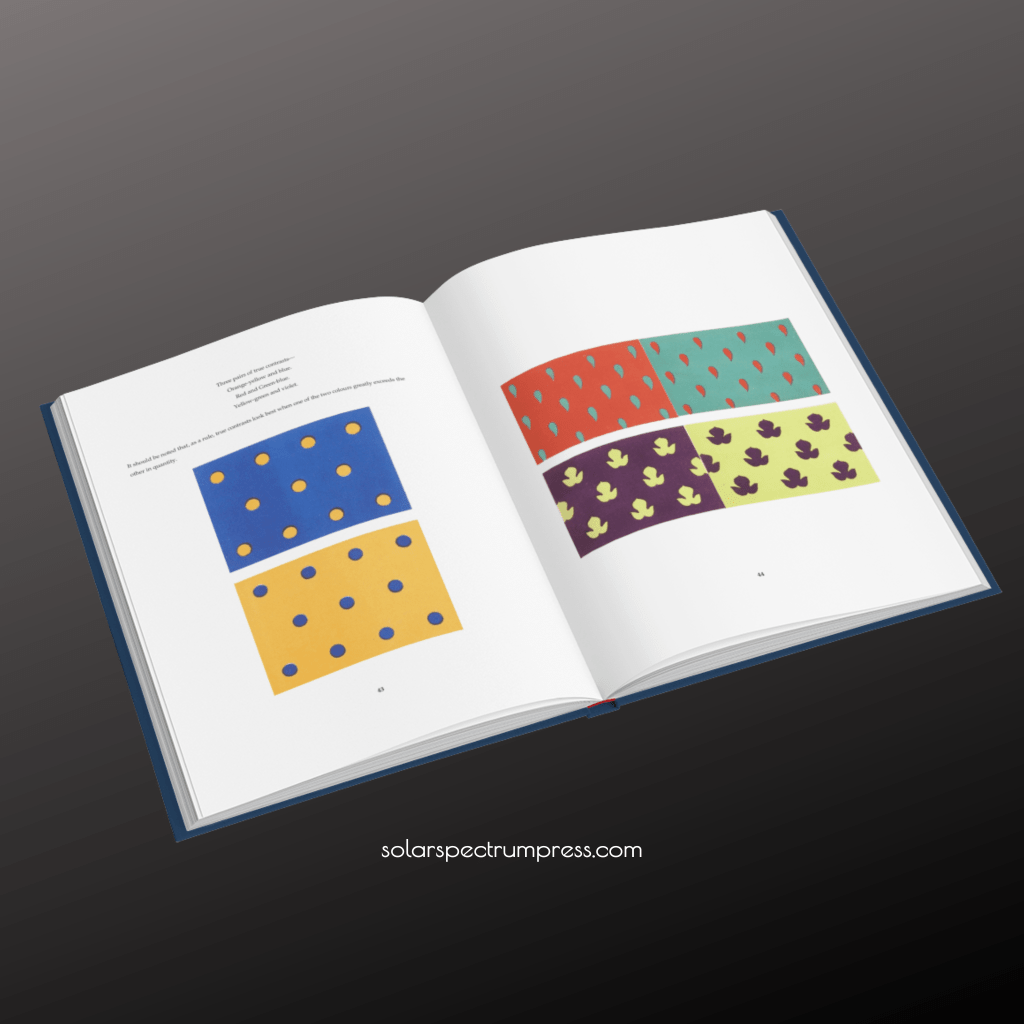

Color theory wasn’t always about trends or personal preference.
In Suggestions for the Study of Colour, color is treated as a system — one rooted in light, observation, and natural order.
This approach teaches us that:
• Color has structure before style
• Harmony comes from balance
• Contrast creates clarity
• Discord can be intentional
When artists understand these principles, color stops being guesswork and starts becoming a language.
ISBN 9798295806360 and 9798295836787